
Guide To Pellet Stoves Vs Wood Stoves: The Intermediate Guide In Pelle…
페이지 정보
작성자 Kimberley 작성일24-12-13 09:49 조회12회 댓글0건관련링크
본문
pellet stoves vs wood stoves (kingranks.Com)
Pellet stoves provide heat by burning corn, wood pellets or a combination of both. A motor-driven auger is used to load the pellets into a combustion chamber, which is where they are igniting and heated.
Most models have thermostatic controls to keep the fire at the temperature you set. They release very low levels of airborne particles and produce minimal ash.
Cost
When compared to wood stoves that use pellets, they tend to be less expensive. This is because of lower installation costs and also the fact that they can be vented through a small hole in the wall, which eliminates the necessity for a chimney. Additionally, since pellet stoves use an energy source that is renewable and made from recycled waste wood and have a less environmental impact than other types of stoves.
Pellet stoves are extremely efficient and easy to use with an thermostat controls and automatic ignition that ensures consistent heating throughout the house. They also emit significantly less ash and soot and are easier to clean and maintain.
The upfront costs of a ducted pellet stove stove are higher than wood stoves. This is due to the fact that you'll need to purchase firewood or wood-based fuel for your stove and it can cost more than a bag of wood pellets. In addition, you'll need replenish your fuel supply regularly and you'll probably need to invest in an uninterruptible power supply to keep the feed auger running during a power outage.
Wood stoves' initial costs are generally lower than pellet stoves, however, their fuel costs can add up to a significant amount during the heating season. A wood stove can last between 10 and 20 years depending on its design.
In contrast to wood stoves, pellet stoves operate on electricity alone, and some models come with battery backup options to ensure continuity during power outages. They are an excellent choice for homes that do not have access to a lot of firewood or free wood. Pellet stoves are also less difficult to maintain than wood-burning stoves, since they don't generate sparks or flames that could cause fires. They are safer for homes with pets or young children. Nevertheless, you'll need to do regular cleaning and maintenance tasks, like adding pellets to the fuel hopper, and cleaning up ash after every use. You might also have to replace components over time. These extra costs can increase the total cost of ownership.
Energy Efficiency
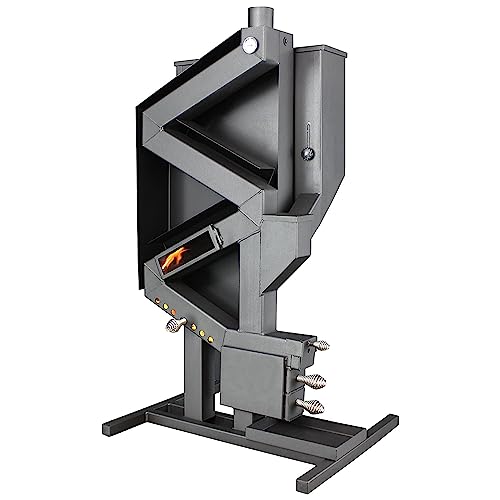 Wood stoves require lots of hands-on maintenance to operate effectively that includes checking the flames and adding wood. A fire's ignition can create sparks, which can burn the skin or cause damage to clothing. This can create a risky situation that requires constant supervision. Pellet stoves are more reliable and consistent flame than traditional wood-burning options.
Pellet stoves provide the highest level of efficiency in energy usage and convert more than 80%-90 percent of fuel into usable heat and they use less fuel per hour than wood-burning fireplaces. This efficient use of energy can reduce heating costs and improve the environment.
Pellet stoves also have a longer time of autonomy than traditional wood stoves. Based on the model you select, this can range from 12 hours at full power, to 30 hours when using low-power settings. The power of a pellet stove is even more if you just use the heater to heat the rooms you're in, rather than heating your entire house.
In contrast to traditional wood-burning stoves which must be manually fed with kindling, paper, and matches to begin and maintain a flame pellet stoves require a tiny amount of electricity to operate the electric ignition systems and augers that feed the pellets into the combustion chamber. The electricity can be sourced from a generator or an uninterruptible power supply (UPS) which makes them more reliable.
Pellet stoves require electricity to run the motorized hoppers and fans that automatically transfer pellets to the burning box. If you live in a location that is susceptible to power outages it is possible to consider alternative options to keep your stove operating. It's important to consider the options available with your chosen stove when deciding which model to buy.
Environmental Impact
Pellet stoves produce heat through burning recycled wood byproducts. This is the reason they're deemed "green." In addition, pellets come from renewable sources - trees that can be harvested and replanted. This makes them a great alternative to fossil fuels such as gas or oil.
Pellet stoves produce very little waste because the process of converting wood into pellets is so efficient. They require less maintenance and cleaning than traditional wood stoves. This is why they are a green choice for those looking for alternative home heating solutions.
Similar to their wood-burning counterparts pellet stoves are controlled by a thermostat that helps maintain your desired heat level. They are also fitted with sensors that monitor the condition of the fire, and will automatically turn off or adjust the flame to match your current heating requirements. They can also be operated with a mechanised auger, which introduces pellets into the combustion chamber when sensors signal it's time.
Due to their low ash content, pellet stoves can emit considerably less particulate matter (PM) into the atmosphere than traditional wood burning stoves. PM can be a source of harmful compounds like carcinogens, which can cause health issues when inhaled.
Another benefit of pellet stoves is that they release significantly less volatile organic compounds (VOCs) into the air than traditional wood burners. VOCs are a class of gases that includes hydrocarbons as well as carbon monoxide. Contrary to VOCs the smoke from burning wood does not release VOCs into the atmosphere; however it releases tiny particles known as condensed moisture and nitric oxides.
Pellet stoves usually come with a catalytic convertor similar to the converter found in your car. It takes in and burns these particles during the process of combustion. This results in a clean, high efficiency combustion that emits very little emissions.
Pellet stoves are powered by electricity and motorized components. Therefore, they must be connected to an electrical outlet with three prongs. It is essential to remember this during a power failure, as the stove won't function without electricity. Many pellet stoves come with backup battery systems that will keep your home warm in the event of a power outage.
Maintenance
Both wood stoves and pellet stoves require regular maintenance to keep them running at their peak efficiency. outdoor pellet stove stoves emit less smoke than wood-burning stoves, but they require regular cleaning to prevent creosote accumulation and to manage ash. They also need to have their hoppers and augers regularly cleaned to ensure that the stove is feeding pellets in a proper manner.
Wood stoves, however, can create creosote and sparks which could ignite house fires If they are not maintained correctly. They can also generate high temperatures that can be dangerous for pets and children who come too close. Wood stoves aren't functional during power outages as they do not have electricity.
In terms of aesthetics, wood stoves provide an elegant appearance that can transform any living space into a cozy retreat. They also create a soothing, soothing crackle when they burn. Pellet stoves feature a contemporary design that is a great fit to modern pellet stove interiors and lifestyles.
Pellet stoves can be made with a range of biofuels, including recycled wood and byproducts like sawdust paper, bark, paper and nuts. They can also be powered by corn or other types of renewable biomass fuels. Pellet stoves are less polluting to the environment than wood-burning stoves since they don't burn fossil fuels.
The two types of stoves provide various styles, and can be made to match your home's decor. Some are designed to fit into existing fireplaces, whereas others are freestanding units that can be moved if needed. You can also purchase ones with a glass to enhance their appearance.
Pellet stoves provide heat by burning corn, wood pellets or a combination of both. A motor-driven auger is used to load the pellets into a combustion chamber, which is where they are igniting and heated.
Most models have thermostatic controls to keep the fire at the temperature you set. They release very low levels of airborne particles and produce minimal ash.
Cost
When compared to wood stoves that use pellets, they tend to be less expensive. This is because of lower installation costs and also the fact that they can be vented through a small hole in the wall, which eliminates the necessity for a chimney. Additionally, since pellet stoves use an energy source that is renewable and made from recycled waste wood and have a less environmental impact than other types of stoves.
Pellet stoves are extremely efficient and easy to use with an thermostat controls and automatic ignition that ensures consistent heating throughout the house. They also emit significantly less ash and soot and are easier to clean and maintain.
The upfront costs of a ducted pellet stove stove are higher than wood stoves. This is due to the fact that you'll need to purchase firewood or wood-based fuel for your stove and it can cost more than a bag of wood pellets. In addition, you'll need replenish your fuel supply regularly and you'll probably need to invest in an uninterruptible power supply to keep the feed auger running during a power outage.
Wood stoves' initial costs are generally lower than pellet stoves, however, their fuel costs can add up to a significant amount during the heating season. A wood stove can last between 10 and 20 years depending on its design.
In contrast to wood stoves, pellet stoves operate on electricity alone, and some models come with battery backup options to ensure continuity during power outages. They are an excellent choice for homes that do not have access to a lot of firewood or free wood. Pellet stoves are also less difficult to maintain than wood-burning stoves, since they don't generate sparks or flames that could cause fires. They are safer for homes with pets or young children. Nevertheless, you'll need to do regular cleaning and maintenance tasks, like adding pellets to the fuel hopper, and cleaning up ash after every use. You might also have to replace components over time. These extra costs can increase the total cost of ownership.
Energy Efficiency
Wood stoves require lots of hands-on maintenance to operate effectively that includes checking the flames and adding wood. A fire's ignition can create sparks, which can burn the skin or cause damage to clothing. This can create a risky situation that requires constant supervision. Pellet stoves are more reliable and consistent flame than traditional wood-burning options.Pellet stoves provide the highest level of efficiency in energy usage and convert more than 80%-90 percent of fuel into usable heat and they use less fuel per hour than wood-burning fireplaces. This efficient use of energy can reduce heating costs and improve the environment.
Pellet stoves also have a longer time of autonomy than traditional wood stoves. Based on the model you select, this can range from 12 hours at full power, to 30 hours when using low-power settings. The power of a pellet stove is even more if you just use the heater to heat the rooms you're in, rather than heating your entire house.
In contrast to traditional wood-burning stoves which must be manually fed with kindling, paper, and matches to begin and maintain a flame pellet stoves require a tiny amount of electricity to operate the electric ignition systems and augers that feed the pellets into the combustion chamber. The electricity can be sourced from a generator or an uninterruptible power supply (UPS) which makes them more reliable.
Pellet stoves require electricity to run the motorized hoppers and fans that automatically transfer pellets to the burning box. If you live in a location that is susceptible to power outages it is possible to consider alternative options to keep your stove operating. It's important to consider the options available with your chosen stove when deciding which model to buy.
Environmental Impact
Pellet stoves produce heat through burning recycled wood byproducts. This is the reason they're deemed "green." In addition, pellets come from renewable sources - trees that can be harvested and replanted. This makes them a great alternative to fossil fuels such as gas or oil.
Pellet stoves produce very little waste because the process of converting wood into pellets is so efficient. They require less maintenance and cleaning than traditional wood stoves. This is why they are a green choice for those looking for alternative home heating solutions.
Similar to their wood-burning counterparts pellet stoves are controlled by a thermostat that helps maintain your desired heat level. They are also fitted with sensors that monitor the condition of the fire, and will automatically turn off or adjust the flame to match your current heating requirements. They can also be operated with a mechanised auger, which introduces pellets into the combustion chamber when sensors signal it's time.
Due to their low ash content, pellet stoves can emit considerably less particulate matter (PM) into the atmosphere than traditional wood burning stoves. PM can be a source of harmful compounds like carcinogens, which can cause health issues when inhaled.
Another benefit of pellet stoves is that they release significantly less volatile organic compounds (VOCs) into the air than traditional wood burners. VOCs are a class of gases that includes hydrocarbons as well as carbon monoxide. Contrary to VOCs the smoke from burning wood does not release VOCs into the atmosphere; however it releases tiny particles known as condensed moisture and nitric oxides.
Pellet stoves usually come with a catalytic convertor similar to the converter found in your car. It takes in and burns these particles during the process of combustion. This results in a clean, high efficiency combustion that emits very little emissions.
Pellet stoves are powered by electricity and motorized components. Therefore, they must be connected to an electrical outlet with three prongs. It is essential to remember this during a power failure, as the stove won't function without electricity. Many pellet stoves come with backup battery systems that will keep your home warm in the event of a power outage.
Maintenance
Both wood stoves and pellet stoves require regular maintenance to keep them running at their peak efficiency. outdoor pellet stove stoves emit less smoke than wood-burning stoves, but they require regular cleaning to prevent creosote accumulation and to manage ash. They also need to have their hoppers and augers regularly cleaned to ensure that the stove is feeding pellets in a proper manner.
Wood stoves, however, can create creosote and sparks which could ignite house fires If they are not maintained correctly. They can also generate high temperatures that can be dangerous for pets and children who come too close. Wood stoves aren't functional during power outages as they do not have electricity.
In terms of aesthetics, wood stoves provide an elegant appearance that can transform any living space into a cozy retreat. They also create a soothing, soothing crackle when they burn. Pellet stoves feature a contemporary design that is a great fit to modern pellet stove interiors and lifestyles.
Pellet stoves can be made with a range of biofuels, including recycled wood and byproducts like sawdust paper, bark, paper and nuts. They can also be powered by corn or other types of renewable biomass fuels. Pellet stoves are less polluting to the environment than wood-burning stoves since they don't burn fossil fuels.
The two types of stoves provide various styles, and can be made to match your home's decor. Some are designed to fit into existing fireplaces, whereas others are freestanding units that can be moved if needed. You can also purchase ones with a glass to enhance their appearance.
댓글목록
등록된 댓글이 없습니다.