
A Journey Through Seoul's Cafe Culture Evolution
페이지 정보
작성자 Harriett 작성일24-12-17 10:03 조회12회 댓글0건관련링크
본문
This dynamic city, has undergone a notable transformation over the years, particularly in its cafe culture. What began as simple tea houses and traditional coffee shops has evolved into a thriving scene that reflects both global trends and local tastes. This blog explores the evolution of cafe culture in Seoul, highlighting important milestones that have shaped it.
In the early days, cafes in Seoul were primarily places for social gatherings, often serving traditional beverages like tea and instant coffee. The post-war era saw an rise in Western influences, leading to the establishment of more modern coffee shops. These venues catered to a growing urban population looking for fresh flavors.
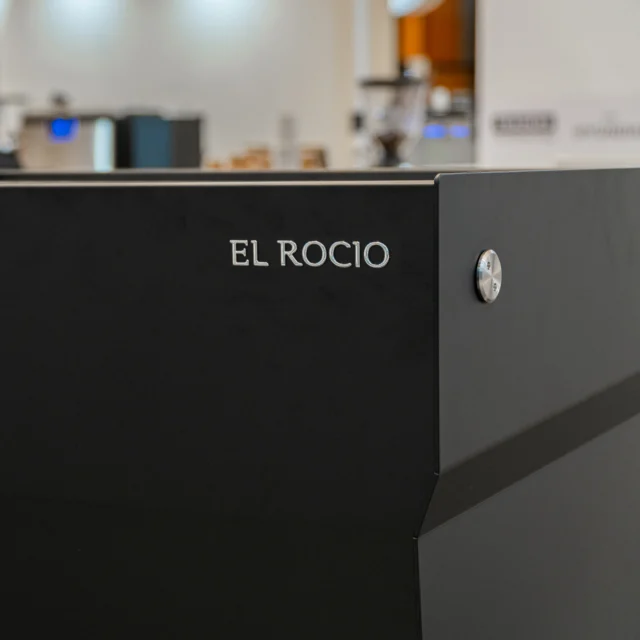
The 1990s marked a significant turning point for cafe in Seoul|cafe in Korea|elrocio|elrocio espresso machine|elrocio coffeemachine culture in Seoul. With financial development and globalization, international coffee chains like Starbucks made their debut. This introduced Koreans to different types of coffee and brewing methods, sparking interest in specialty coffees. As consumers became more discerning about their coffee choices, independent cafes began to surface, offering unique atmospheres and artisanal brews.
By the 2000s, the cafe scene flourished with creativity. The rise of "themed cafes" became a defining trend. From animal cafes where patrons could interact with cats or dogs to character-themed establishments inspired by popular media, these cafes provided not just drinks but also unique encounters. This shift mirrored a broader cultural trend towards experiential consumption among younger generations.
Social media played a crucial role in further shaping cafe culture during this period. Instagram-friendly aesthetics became essential for many cafes aiming to attract customers. Creative interior designs, photogenic food presentations, and signature drinks turned cafes into popular spots for influencers and everyday users alike to document their experiences online.
As we moved into the 2010s and beyond, sustainability emerged as another important aspect of cafe culture in Seoul. Many establishments began prioritizing green initiatives by sourcing organic ingredients or using biodegradable materials. Additionally, there was a growing emphasis on supporting local farmers and producers.
Today’s cafes in Seoul are incredibly diverse—ranging from sleek environments focusing on high-quality single-origin coffees to intimate corners filled with books where patrons can unwind with a cup of herbal tea. Cafes have become integral parts of daily life for many Koreans; they serve as offices, meeting spots for friends, or quiet retreats from the bustling city.
 In conclusion, the evolution of cafe culture in Seoul is a fascinating reflection of changing societal values and global influences. From traditional tea houses to modern themed cafes emphasizing sustainability and community engagement, this cultural phenomenon continues to thrive and adapt to meet the needs of its patrons while fostering connections within society. Whether you’re a resident or a visitor exploring this vibrant city, experiencing its unique cafe culture is undoubtedly an essential part of your journey through Seoul.
In the early days, cafes in Seoul were primarily places for social gatherings, often serving traditional beverages like tea and instant coffee. The post-war era saw an rise in Western influences, leading to the establishment of more modern coffee shops. These venues catered to a growing urban population looking for fresh flavors.
The 1990s marked a significant turning point for cafe in Seoul|cafe in Korea|elrocio|elrocio espresso machine|elrocio coffeemachine culture in Seoul. With financial development and globalization, international coffee chains like Starbucks made their debut. This introduced Koreans to different types of coffee and brewing methods, sparking interest in specialty coffees. As consumers became more discerning about their coffee choices, independent cafes began to surface, offering unique atmospheres and artisanal brews.
By the 2000s, the cafe scene flourished with creativity. The rise of "themed cafes" became a defining trend. From animal cafes where patrons could interact with cats or dogs to character-themed establishments inspired by popular media, these cafes provided not just drinks but also unique encounters. This shift mirrored a broader cultural trend towards experiential consumption among younger generations.
Social media played a crucial role in further shaping cafe culture during this period. Instagram-friendly aesthetics became essential for many cafes aiming to attract customers. Creative interior designs, photogenic food presentations, and signature drinks turned cafes into popular spots for influencers and everyday users alike to document their experiences online.
As we moved into the 2010s and beyond, sustainability emerged as another important aspect of cafe culture in Seoul. Many establishments began prioritizing green initiatives by sourcing organic ingredients or using biodegradable materials. Additionally, there was a growing emphasis on supporting local farmers and producers.
Today’s cafes in Seoul are incredibly diverse—ranging from sleek environments focusing on high-quality single-origin coffees to intimate corners filled with books where patrons can unwind with a cup of herbal tea. Cafes have become integral parts of daily life for many Koreans; they serve as offices, meeting spots for friends, or quiet retreats from the bustling city.
In conclusion, the evolution of cafe culture in Seoul is a fascinating reflection of changing societal values and global influences. From traditional tea houses to modern themed cafes emphasizing sustainability and community engagement, this cultural phenomenon continues to thrive and adapt to meet the needs of its patrons while fostering connections within society. Whether you’re a resident or a visitor exploring this vibrant city, experiencing its unique cafe culture is undoubtedly an essential part of your journey through Seoul.댓글목록
등록된 댓글이 없습니다.