
A List Of Common Errors That People Make With Upvc Door Lock Replaceme…
페이지 정보
작성자 Shirley 작성일24-06-07 03:08 조회19회 댓글0건관련링크
본문
How to Replace a uPVC Door Mechanism
It's the right time to think about replacing the lock mechanism on your uPVC doors when it starts to wear down. There are numerous options, and it is possible to find a suitable replacement for your door.
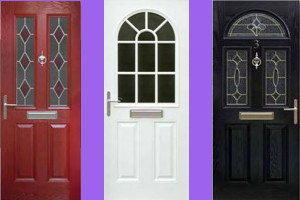 Unjamming a door mechanism made of uPVC
It's not easy to free a uPVC door mechanism. It is essential to determine the root of the problem first. There are a variety of methods to solve this. The first thing to look for is whether the lock is sticky or not. Locks that are sticky could be caused by dirt and dust building up in the mechanism. To test if the keys work well, you can try a silicone-based lubricant.
A sticky uPVC door lock can be the result of a variety of factors. Broken hinges can cause the lock to stick. Excessive pressure can also lead to this type of problem. It is possible that the strikeplate is loose. Ensuring that the screws are tight will help to fix this issue.
A loose or loose door handle is a common problem. This can be corrected by tightening screws in the barrel of the lock. This is a simple fix, but if you don't wish to play with screws you can adjust the hinges.
An important component of a upvc doors repairs near me (Learn Alot more Here) door lock is the gearbox. It is an essential part of the locking process. Gearboxes that are damaged can cause serious issues. If this is the case you're experiencing issues, you must contact a professional locksmith to have it replaced.
Another sign of a faulty uPVC door is a key that's not working. If this is the case, try to insert the key into the cylinder several times until it works. This will tell you whether the key is compatible with the cylinder. While you're doing this, you must also note if the key turns. You should be able to get the key to turn in the correct direction if you do.
Another common uPVC door lock issue is the strike plate getting loose. If this happens, you must ensure that the screws are securely in place. This can be achieved by using a mallet made of rubber to gently tap the locking mechanism into the door. For more complex locking mechanisms, this might not be an option.
Other common uPVC door lock problems are doors that don't open or a lock that is stiff. This can be corrected by inspecting the screw fixing the cylinder to ensure that it is in a tight position and protruding from the lock plate.
The door could also go out of alignment, which is a common issue. Luckily, a uPVC door is designed to be adjustable which means you'll be able to correct the issue by simply adjusting the hinges. If you are concerned that your uPVC doors aren't working correctly, contact a locksmith. They are experts at fixing and installing uPVC doors. They are also able to protect you from damage to your property. They can also be available to make other repairs while at your door.
Replacing a broken upvc front doors supplied and fitted door lock
If your uPVC door lock is damaged it could be too difficult to open. This could lead to several issues. It can also pose a security risk. Because of this, it is essential to know how to fix a damaged uPVC door lock. There are numerous common issues that can arise, and it is advised for you to consult an expert locksmith. In the event of such issues, solving them can be tricky and you may have to replace the parts of your lock.
One of the most common uPVC door locks issues is a damaged gearbox. A gearbox is an essential element of a locking mechanism and if the gearbox is damaged, you may face difficulties opening your uPVC door.
The door handle can become floppy or wobbly. If this is the case, you can tighten the barrel screw, or adjust the handle. If that doesn't resolve the problem, it might be time to replace your uPVC door lock.
Broken spring mechanisms are another issue that can occur with uPVC door locks. It could be caused by dirt and dust accumulation. If you notice that your door is making a loud click when you push it, you must try replacing the spring. This can be done at your home or by a professional.
Your uPVC door lock has a mark of the manufacturer on the faceplate. This will allow you to identify the brand and allow you to locate the appropriate replacement. By using this information, you'll be able to select the best lock that works. It will be easier to install the lock with the same brand.
UPVC door locks are more durable than other types. They aren't immune to breakage. Some of the most common uPVC door lock problems can be fixed with the right tools and understanding. You will need a screwdriver, rubber mallet, and wrench to fix your uPVC doors. Once you have these tools, it is possible to begin to repair your uPVC door locks.
If your uPVC door lock is stuck, you can try adjusting the handle. You can do this at home , or hire a professional. Depending on the type of uPVC door lock that you have, you may require a new key. After you've bought the new key, you can test the lock by inserting it into the cylinder. To make sure that the tongue on your key is in the correct place make sure to turn the lock by at least 10 degrees.
If your uPVC door handle is too loose, you can fix it by tightening the barrel screw. It is also possible to apply lubrication to the keyway using a silicone-based lubricant. This will keep your uPVC door from making loud and annoying noises.
The misaligned uPVC doors can be fixed
If you have a uPVC door and have difficulty closing and opening it, you could have a problem with its alignment. It is crucial to align it because it allows you to enjoy the most security possible from your doors. It also helps to lessen the risk of leaks and draughts. A door that is not aligned correctly can cause you to close it and cause it to open very tightly. These are problems that can result in a lot of frustration and displeasure.
uPVC doors are susceptible to misalignment. Doors that aren’t properly adjusted can be left shut, which can lead to costly repairs in the future. Certain issues can be addressed on your own, but it is best to hire an expert to do the task.
A spirit level can be used to verify the alignment of your uPVC doors. Place your door on the level and mark where the hinges start. Then, insert an Allen key. To move the door forward then turn the adjustment slot counterclockwise. To pull it back move the adjustment slot counterclockwise. This will show if the door is too far forward or too far back. If the door is too far forward, you'll have to adjust the hinges.
Many uPVC doors come with adjustment slots that can be used to make the door more symmetrical. The slots are typically hexagonal and require an Allen wrench. Before you can begin, remove the cap that protects the slots. After you've removed the cap the slots will then be accessible. There are two types of slots: height and compression. To compress the hinge tighten the screw at the top or the bottom.
Adjusting the height of your uPVC door is similar to the adjustment of compression. There are a variety of ways to accomplish this. You can tighten the screw by turning the slot clockwise using an Allen key. You can also turn the slot in an opposite direction and pull the door toward the floor. Make sure to check for any noises that make creaking during the adjustment process.
In addition to alignment In addition to alignment, your uPVC door could also be affected by changes in weather. When the weather gets very hot or cold the frame of your door can swell. Eventually, this will cause it to lose its integrity and your uPVC door might not open. The door may also shrink if it is exposed to excessively humid weather. The door could also be sagging if there is too much condensation. Weather stripping on the inside of your door can stop this from happening.
It is not necessary to replace the entire unit if you decide to alter your uPVC doors yourself. You can fix some of the most frequent issues by replacing only the hinges. You can also employ a local locksmith to do the job for you. Depending on the type of issue, the cost can range from $80 to $1,600.
It's the right time to think about replacing the lock mechanism on your uPVC doors when it starts to wear down. There are numerous options, and it is possible to find a suitable replacement for your door.
Unjamming a door mechanism made of uPVCIt's not easy to free a uPVC door mechanism. It is essential to determine the root of the problem first. There are a variety of methods to solve this. The first thing to look for is whether the lock is sticky or not. Locks that are sticky could be caused by dirt and dust building up in the mechanism. To test if the keys work well, you can try a silicone-based lubricant.
A sticky uPVC door lock can be the result of a variety of factors. Broken hinges can cause the lock to stick. Excessive pressure can also lead to this type of problem. It is possible that the strikeplate is loose. Ensuring that the screws are tight will help to fix this issue.
A loose or loose door handle is a common problem. This can be corrected by tightening screws in the barrel of the lock. This is a simple fix, but if you don't wish to play with screws you can adjust the hinges.
An important component of a upvc doors repairs near me (Learn Alot more Here) door lock is the gearbox. It is an essential part of the locking process. Gearboxes that are damaged can cause serious issues. If this is the case you're experiencing issues, you must contact a professional locksmith to have it replaced.
Another sign of a faulty uPVC door is a key that's not working. If this is the case, try to insert the key into the cylinder several times until it works. This will tell you whether the key is compatible with the cylinder. While you're doing this, you must also note if the key turns. You should be able to get the key to turn in the correct direction if you do.
Another common uPVC door lock issue is the strike plate getting loose. If this happens, you must ensure that the screws are securely in place. This can be achieved by using a mallet made of rubber to gently tap the locking mechanism into the door. For more complex locking mechanisms, this might not be an option.
Other common uPVC door lock problems are doors that don't open or a lock that is stiff. This can be corrected by inspecting the screw fixing the cylinder to ensure that it is in a tight position and protruding from the lock plate.
The door could also go out of alignment, which is a common issue. Luckily, a uPVC door is designed to be adjustable which means you'll be able to correct the issue by simply adjusting the hinges. If you are concerned that your uPVC doors aren't working correctly, contact a locksmith. They are experts at fixing and installing uPVC doors. They are also able to protect you from damage to your property. They can also be available to make other repairs while at your door.
Replacing a broken upvc front doors supplied and fitted door lock
If your uPVC door lock is damaged it could be too difficult to open. This could lead to several issues. It can also pose a security risk. Because of this, it is essential to know how to fix a damaged uPVC door lock. There are numerous common issues that can arise, and it is advised for you to consult an expert locksmith. In the event of such issues, solving them can be tricky and you may have to replace the parts of your lock.
One of the most common uPVC door locks issues is a damaged gearbox. A gearbox is an essential element of a locking mechanism and if the gearbox is damaged, you may face difficulties opening your uPVC door.
The door handle can become floppy or wobbly. If this is the case, you can tighten the barrel screw, or adjust the handle. If that doesn't resolve the problem, it might be time to replace your uPVC door lock.
Broken spring mechanisms are another issue that can occur with uPVC door locks. It could be caused by dirt and dust accumulation. If you notice that your door is making a loud click when you push it, you must try replacing the spring. This can be done at your home or by a professional.
Your uPVC door lock has a mark of the manufacturer on the faceplate. This will allow you to identify the brand and allow you to locate the appropriate replacement. By using this information, you'll be able to select the best lock that works. It will be easier to install the lock with the same brand.
UPVC door locks are more durable than other types. They aren't immune to breakage. Some of the most common uPVC door lock problems can be fixed with the right tools and understanding. You will need a screwdriver, rubber mallet, and wrench to fix your uPVC doors. Once you have these tools, it is possible to begin to repair your uPVC door locks.
If your uPVC door lock is stuck, you can try adjusting the handle. You can do this at home , or hire a professional. Depending on the type of uPVC door lock that you have, you may require a new key. After you've bought the new key, you can test the lock by inserting it into the cylinder. To make sure that the tongue on your key is in the correct place make sure to turn the lock by at least 10 degrees.
If your uPVC door handle is too loose, you can fix it by tightening the barrel screw. It is also possible to apply lubrication to the keyway using a silicone-based lubricant. This will keep your uPVC door from making loud and annoying noises.
The misaligned uPVC doors can be fixed
If you have a uPVC door and have difficulty closing and opening it, you could have a problem with its alignment. It is crucial to align it because it allows you to enjoy the most security possible from your doors. It also helps to lessen the risk of leaks and draughts. A door that is not aligned correctly can cause you to close it and cause it to open very tightly. These are problems that can result in a lot of frustration and displeasure.
uPVC doors are susceptible to misalignment. Doors that aren’t properly adjusted can be left shut, which can lead to costly repairs in the future. Certain issues can be addressed on your own, but it is best to hire an expert to do the task.
A spirit level can be used to verify the alignment of your uPVC doors. Place your door on the level and mark where the hinges start. Then, insert an Allen key. To move the door forward then turn the adjustment slot counterclockwise. To pull it back move the adjustment slot counterclockwise. This will show if the door is too far forward or too far back. If the door is too far forward, you'll have to adjust the hinges.
Many uPVC doors come with adjustment slots that can be used to make the door more symmetrical. The slots are typically hexagonal and require an Allen wrench. Before you can begin, remove the cap that protects the slots. After you've removed the cap the slots will then be accessible. There are two types of slots: height and compression. To compress the hinge tighten the screw at the top or the bottom.
Adjusting the height of your uPVC door is similar to the adjustment of compression. There are a variety of ways to accomplish this. You can tighten the screw by turning the slot clockwise using an Allen key. You can also turn the slot in an opposite direction and pull the door toward the floor. Make sure to check for any noises that make creaking during the adjustment process.
In addition to alignment In addition to alignment, your uPVC door could also be affected by changes in weather. When the weather gets very hot or cold the frame of your door can swell. Eventually, this will cause it to lose its integrity and your uPVC door might not open. The door may also shrink if it is exposed to excessively humid weather. The door could also be sagging if there is too much condensation. Weather stripping on the inside of your door can stop this from happening.
It is not necessary to replace the entire unit if you decide to alter your uPVC doors yourself. You can fix some of the most frequent issues by replacing only the hinges. You can also employ a local locksmith to do the job for you. Depending on the type of issue, the cost can range from $80 to $1,600.
댓글목록
등록된 댓글이 없습니다.